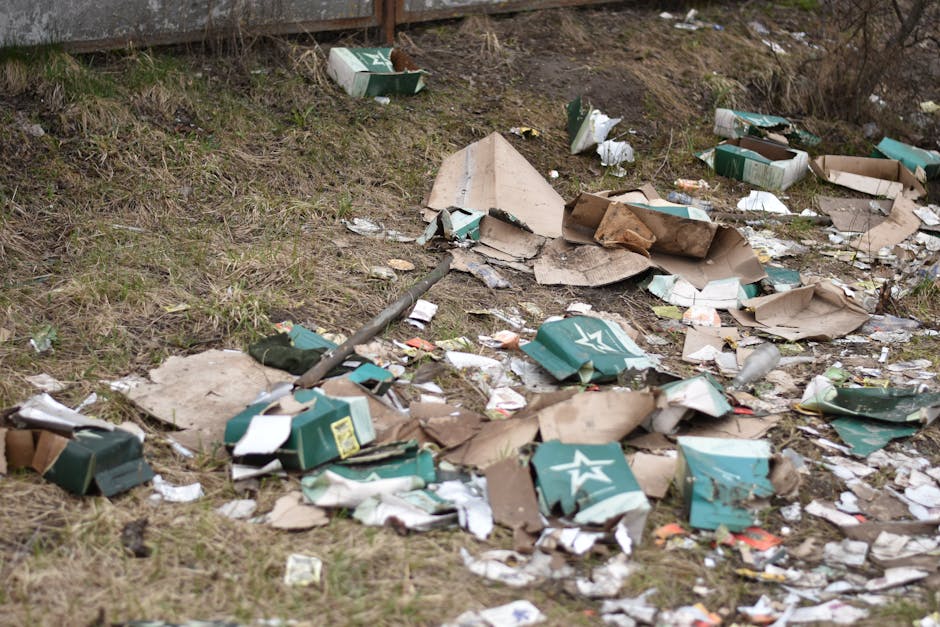
Seven Kings Park garden waste pickup insider tips rubbish removal
If your garden in or around Seven Kings Park has turned into a tangle of clippings, branches, old turf, and half-finished DIY debris, you are not alone. Garden clear-outs always look simple from the back door, and then suddenly there is more waste than you expected, the bags split, and the heap starts to smell a bit green and damp. This guide to Seven Kings Park garden waste pickup insider tips rubbish removal is here to make the whole job easier, cheaper to manage, and far less stressful.
We will look at how garden waste collection usually works, when it makes sense to book a professional removal service, what people often get wrong, and how to avoid paying for unnecessary extra trips. You will also find practical tips on sorting waste, choosing the right removal method, and staying on the right side of local rules. Let's face it, nobody wants a neat garden project ruined by a last-minute rubbish headache.
Table of Contents
- Why Seven Kings Park garden waste pickup insider tips rubbish removal matters
- How Seven Kings Park garden waste pickup insider tips rubbish removal works
- Key benefits and practical advantages
- Who this is for and when it makes sense
- Step-by-step guidance
- Expert tips for better results
- Common mistakes to avoid
- Tools, resources and recommendations
- Law, compliance, standards, or best practice
- Options, methods, or comparison table
- Case study or real-world example
- Practical checklist
- Conclusion
- Frequently asked questions
Why Seven Kings Park garden waste pickup insider tips rubbish removal matters
Garden waste has a habit of multiplying. One pruning session becomes three pile-ups. A tidy border leaves behind roots, soil, and thorny stems. And once you start lifting wet hedge cuttings or branches, the bags get heavy fast. The real issue is not just the mess; it is the time, transport, and disposal planning that catches people off guard.
For Seven Kings Park households, the main value of a well-planned pickup is convenience. You do not need to cram everything into the car, risk a muddy boot carpet situation, or spend a Saturday making multiple trips to a tip. A proper garden waste removal service can take the load off quickly, especially after seasonal clear-outs, landscaping work, or a long-overdue garden reset.
There is also a sustainability angle. Good waste handling means more of the green material can be sorted for recycling or composting, rather than mixed in with general rubbish. That matters if you care about keeping disposal efficient and responsible. If your project includes more than just leaves and grass, it may help to look at a broader rubbish removal option or even a specialist garden waste removal service that is set up for mixed loads.
Expert summary: the best garden waste pickup is not always the fastest or the biggest; it is the one that matches the exact type and volume of waste you have. That small detail saves money and avoids awkward collection problems.
How Seven Kings Park garden waste pickup insider tips rubbish removal works
At a practical level, the process is usually straightforward. You identify what needs clearing, separate the waste into sensible groups, and arrange collection through the most suitable service. The tricky part is choosing the right method before the pile grows out of control. A small patio tidy-up is one thing. A full garden overhaul after months of weather damage is another.
Most people will choose between a few common approaches:
- Garden waste removal for branches, cuttings, soil, and general green waste.
- Rubbish removal if the load includes mixed household items, old planters, broken fencing, or bags of non-organic waste.
- Skip hire if the volume is higher, the job will take longer, or you want to fill at your own pace.
- Wait and load or man and van style collection if access is tight or you need a fast, tidy handover.
If you are unsure what can go where, it is worth checking the guidance on what can go in a skip. That helps when your garden project spills into general household rubbish, old timber, or renovation debris. Truth be told, that mix happens a lot.
In a typical pickup, the team will assess access, loading space, and the type of waste. If it is mainly green waste, collection is usually simpler. If it includes branches, rubble, timber, or contaminated material, the job may need a different vehicle or disposal route. Some customers even combine garden clearance with site clearance after landscaping or fencing work. That can be efficient if you want the whole space reset in one go.
Key benefits and practical advantages
The obvious benefit is convenience, but the practical gains go beyond that. A proper pickup keeps the job moving and reduces the odds of waste sitting around for days in the rain. If you have ever looked at a wet heap of grass cuttings on a warm afternoon, you will know exactly why that matters.
- Less lifting and less strain - no endless bagging, dragging, or repeated loading into a small car.
- Cleaner finish - the garden looks finished, not half-done with sacks lingering by the fence.
- Better sorting - the right service can help keep green waste separate from mixed rubbish.
- Quicker turnaround - useful when you are preparing for a sale, guests, or a landscaping deadline.
- Reduced risk of contamination - soil, food waste, plastics, and treated timber are less likely to be mixed by accident.
There is also a planning advantage. When you know in advance how the waste will leave the property, you are less likely to over-order materials or underestimate the mess created by the job. A small hedge trim can turn into several bags very quickly. A full garden clear-out can become a mini-project, and then some.
If you expect the waste to be bulky or awkward, it can help to compare a standard collection with grab hire services, especially where loose material needs mechanical loading. For smaller but urgent collections, same-day skip hire may be more practical if you need everything gone before the weekend.
Who this is for and when it makes sense
This kind of service suits more people than you might think. It is not only for major landscaping jobs or big properties with endless borders. In fact, some of the best use cases are pretty ordinary.
- Homeowners doing a seasonal tidy - hedge trims, lawn edging, dead plant removal, and leaf fall.
- People clearing overgrown gardens - especially after a long gap in maintenance.
- Landlords preparing a property - where the garden needs to look presentable quickly.
- Tenants at the end of a tenancy - when outside areas need clearing before handover.
- Families after DIY garden upgrades - new sleepers, fences, paving, or raised beds often create mixed waste.
- Anyone with limited time or lifting ability - because, honestly, not everyone wants to spend the day wrestling thorny branches.
If your waste is mostly organic and you want a tidy, fast solution, a dedicated collection service is often the simplest route. If the garden job is bigger and includes soil, hardcore, or builders' debris from a redesign, then one of the builders waste removal or builders skip hire options may be better suited. It depends on the shape of the job, not just the postcode.
Step-by-step guidance
Here is the cleanest way to handle a garden waste pickup without making it harder than it needs to be.
- Walk the garden first. Look at what is actually there, not what you hope is there. Green waste, soil, broken pots, timber, old edging, and general rubbish all behave differently at disposal time.
- Separate waste into sensible piles. Keep branches together, soft green waste together, and non-garden items apart. If you are mixing everything into one mountain, the collection becomes less efficient.
- Check access. Can a vehicle get close? Is the path clear? Are there low branches, narrow side returns, or steps? That tiny bit of preparation saves a surprising amount of faff.
- Estimate volume honestly. A pile that looks small can take up a lot of space once bagged. If the job feels like more than a few sacks, review skip sizes and prices before deciding.
- Decide between pickup methods. If you want everything removed on the day, a vehicle-based collection or wait-and-load option may suit. If you want time to load at your own pace, consider a skip.
- Book with the right service type. For bulky but mixed waste, man and van may be more suitable than a pure green-waste collection. For heavy loose material, grab lorry hire can be a smart move.
- Keep restricted items out. Do not add chemicals, paint, gas bottles, asbestos, or electricals unless the provider has clearly said they can take them. Hazardous material needs separate handling.
- Confirm the finish. Ask what happens to the waste after pickup. Responsible operators will sort and route material in line with their recycling and disposal process.
A small practical note: if you are clearing a garden after a storm, the waste is often wetter and heavier than expected. Bags can split, and branches become slippery. Give yourself more time than the tidy-up seems to deserve. It usually needs it.
Expert tips for better results
The best insider tips are usually the ones that save time before anyone starts lifting. Small changes, big difference.
- Cut long branches before collection. Shorter lengths stack more neatly and reduce wasted space.
- Dry waste where possible. If the weather allows, let grass cuttings and hedge trimmings drain a little before loading. Wet green waste is heavier and messier.
- Use the right bags. Thin bin bags split at the worst moment, usually halfway down the path. Heavy-duty sacks are worth it.
- Keep roots and soil separate. Soil is dense and can change the whole load profile. A few spadefuls become a lot more weight than expected.
- Think about access first, not last. If there is a narrow gate or a tight alley, say so when booking. It helps match the right collection method.
- Book before the pile becomes a problem. Garden waste is easier to manage while it is still fresh and compact. Leave it a week and it starts to spread, dry out, and fall apart.
One useful habit is to sort the waste as you work. A wheelbarrow for branches, one for soft green waste, one corner for mixed items. It sounds a bit fussy, maybe. But it keeps the final pickup far cleaner and often quicker.
If the garden project is happening alongside loft clearing, garage clear-out, or a property refresh, you may want to bundle the job with garage and loft clearance or house clearance. That can reduce the number of separate collections and keep the day from turning into a logistics puzzle.
Common mistakes to avoid
Most problems come from underestimating volume or mixing waste types. Simple enough, but it happens all the time.
- Mixing green waste with general rubbish - this can make the load harder to process and may change the type of service needed.
- Forgetting about soil and turf - these are heavy, and they quickly affect how much you can reasonably move.
- Leaving waste loose in the rain - by the next morning it can be heavier, messier, and more difficult to handle.
- Assuming all garden waste is the same - branches, cuttings, timber, fencing, and rubble are not interchangeable.
- Booking without checking access - if a vehicle cannot get close enough, collection may take longer or require a different solution.
- Putting hazardous items in with garden waste - things like pesticides, solvents, and treated materials may need separate disposal.
The sneaky mistake is thinking, "It's only a few bags." Then you bag it properly and discover the pile still fills a corner of the drive. Not the end of the world, just a common surprise.
If your garden waste includes old appliances from an outdoor shed or patio area, it is better to deal with them separately through fridge and appliance removal rather than leaving them in a mixed pile. And if you are clearing an old garden seat or broken furniture as well, mattress and sofa disposal may be useful for the heavier household items.
Tools, resources and recommendations
You do not need specialist gear for a small garden clear-up, but the right tools make the whole job calmer and safer. A couple of sturdy items go a long way.
- Heavy-duty rubble sacks or garden bags for cuttings, leaves, and lighter mixed waste.
- Wheelbarrow or trug for moving waste from the back garden to the collection point.
- Gloves with grip because thorny stems, splinters, and damp nettles are annoying little things.
- Pruners, loppers, and a saw for reducing branch size before pickup.
- Tarp or sheet to keep a tidy loading area and make sweeping up easier afterwards.
- Broom or leaf blower for the final pass when you want the area to look finished, not just emptied.
On the planning side, a few site pages are genuinely useful. Check pricing and quotes if you want to understand how the service is structured, and review payment and security if you are booking online and want a bit of reassurance before you commit. If sustainability matters to you, the recycling and sustainability information is worth reading too.
And if you simply want to know more about the company before booking, the about us page can help you judge whether the service fits what you need. That kind of basic trust check is sensible, honestly.
Law, compliance, standards, or best practice
Garden waste removal in the UK is usually straightforward, but it still pays to follow good waste practice. The main principle is simple: waste should be handled by a suitable carrier and directed to the right processing route. For mixed loads, especially those containing soil, timber, plaster, or items with contamination, clear sorting matters more than people expect.
Where hazardous items are involved, the rules become stricter. Do not assume that because something came from a garden, it is harmless. Old pesticides, treated timber, asbestos-containing materials, and certain electrical items need special handling. If in doubt, separate them and ask before collection. A cautious answer is usually the right one here.
In practical terms, best practice means:
- describe the waste honestly when booking;
- separate green waste from general rubbish wherever possible;
- do not conceal restricted items under other material;
- choose a service that matches the weight, access, and type of waste;
- use clear loading areas so the collection can be done safely.
If your project also needs a permit or roadside placement, review the information on skip hire permits and skip permits. The exact requirement depends on where the container is placed and what local rules apply, so it is always wise to check before the day arrives.
For heavier outdoor projects, especially those involving excavation or soil removal, muck away services may be more appropriate than a standard green-waste collection. That is one of those distinctions people often miss until the pile is already there.
Options, methods, or comparison table
Choosing the right method depends on what you are clearing, how quickly you want it gone, and whether the waste is clean green material or a mixed load. Here is a simple comparison to help.
| Option | Best for | Strengths | Watch-outs |
|---|---|---|---|
| Garden waste removal | Grass cuttings, hedge trimmings, leaves, branches | Simple, efficient, suited to green waste | Not ideal for mixed rubbish or heavy soil loads |
| Rubbish removal | Mixed garden and household waste | Flexible for awkward or varied items | May not be the cheapest route for pure green waste |
| Skip hire | Larger projects, longer clear-outs, staged loading | You load at your own pace, useful for bigger jobs | Needs space, and sometimes a permit or access planning |
| Wait and load | Fast clearances where access is good | Quick handover, less onsite clutter | You need to be ready when the vehicle arrives |
| Grab hire | Loose heavy material, soil, branches, mixed outdoor waste | Good for bulky or awkward loads | Access and loading position need to be workable |
If you are still undecided, the quickest way to narrow it down is to ask: is your waste mainly green, mainly mixed, or mainly heavy and loose? That one question usually points you in the right direction.
Case study or real-world example
Imagine a fairly typical Seven Kings Park garden refresh. The owner trims an overgrown hedge, lifts old turf from a narrow border, and pulls out a couple of damaged wooden planters. At first glance it looks like a simple tidy-up. Then the bags start filling. Branches do not compress the way you hoped. The turf is wetter than expected. The broken timber turns out to be awkwardly shaped. All very normal, and all a bit more work than planned.
In that situation, the smartest approach is usually to sort the waste before collection: green cuttings in one section, heavier soil and turf in another, and mixed timber kept separate if possible. If access is tight down the side return, a flexible service like man and van or wait and load skip hire may be better than trying to squeeze everything into the family car over three journeys.
What tends to go wrong in real life is not the disposal itself. It is the timing. People start late, the weather turns, and the waste sits in the garden overnight. Then everything is heavier, the path is muddy, and the whole thing feels twice as long. A cleaner plan is to prep the piles first, book the right pickup, and leave a clear collection lane before the team arrives. Small thing. Huge difference.
That sort of project also shows why people sometimes move from simple garden waste collection to broader domestic skip hire when the job spreads into household clear-out territory. Once you have mixed garden waste, old furniture, and a few bits from the shed in the same project, a wider solution often makes more sense.
Practical checklist
Use this before collection day. It keeps the job focused and avoids last-minute rummaging around for forgotten debris.
- Sort green waste, timber, soil, and mixed rubbish into separate piles where possible.
- Remove any hazardous items, chemicals, or electrical waste.
- Cut long branches down to manageable lengths.
- Use sturdy bags or bundles that will not split in transit.
- Check whether the collection vehicle can access the waste safely.
- Review whether the load is small, medium, or large before booking.
- Confirm if you need a permit or roadside placement solution.
- Keep paths clear and make the pickup area easy to reach.
- Ask how the waste will be sorted or recycled.
- Take a final look at the garden so you do not leave a stray pile behind the shed. It happens.
Conclusion
Done well, garden waste pickup is one of those jobs that makes a whole property feel better almost instantly. The garden looks larger, the air feels cleaner, and you get that satisfying sense that the project is finally moving in the right direction. The key is not just booking a collection, but booking the right one for the waste you actually have.
For Seven Kings Park garden clear-outs, the best results usually come from early sorting, honest volume checks, and a sensible match between waste type and removal method. Whether you need a dedicated green-waste collection, a flexible rubbish removal option, or a bigger skip-based solution, planning a little upfront saves time, effort, and a fair bit of frustration.
If you want to explore service options, it is sensible to compare the practical details before you commit. A small bit of planning now can turn a messy day into a smooth one, and that is worth doing.
Get a free quote today and see how much you can save.
And if nothing else, your garden will thank you for it. Quietly, of course.
Frequently Asked Questions
What is the best way to arrange garden waste pickup in Seven Kings Park?
The best approach depends on how much waste you have and whether it is pure green waste or a mixed load. Small garden clear-ups often suit garden waste removal or man and van collection, while larger jobs may be better handled with skip hire or grab hire.
Can I mix branches, grass cuttings, and old garden furniture together?
Sometimes, but it is better to separate them where possible. Green waste is easier to process on its own, while timber, furniture, and mixed rubbish may need a different disposal route. Separation can make collection simpler and, in some cases, more cost-effective.
Do I need a skip permit for garden waste removal?
Usually not for direct pickup, but you may need a permit if a skip is placed on a public road. If that is part of your plan, check the guidance on skip hire permits or skip permits before booking.
What garden waste is usually accepted?
Typical garden waste includes grass cuttings, hedge trimmings, leaves, small branches, weeds, and untreated plant material. Soil, turf, rubble, and timber may still be accepted by some services, but they often need to be handled differently. Always confirm first.
What should I never put in with garden waste?
Avoid chemicals, paints, gas bottles, asbestos, batteries, and most hazardous materials. Treated timber and electrical items should also be separated unless the provider has clearly said they can take them.
Is grab hire better than skip hire for garden clear-outs?
Grab hire can be a very good option for loose, bulky material such as soil, branches, and mixed outdoor waste. Skip hire is often better if you want to load at your own pace or the project will take a little while. It depends on access and timing.
How can I make garden waste collection cheaper?
Sort waste properly, reduce bulk by cutting branches down, and avoid mixing unnecessary rubbish into the load. Choosing the right service type also helps. Booking a collection that matches the waste usually costs less than using a more general or oversized option.
What if my garden waste is wet and heavy?
Wet waste can be much heavier than it looks, especially after rain. Let it drain if possible and be realistic about volume. If the load includes soil or turf, mention that when booking because weight can affect the most suitable collection method.
Can I include soil and turf with green waste?
Sometimes, yes, but soil and turf are much denser than leaves and cuttings. They can change the handling method and capacity requirements, so it is best to mention them clearly before the collection is arranged.
What happens to the waste after pickup?
That depends on the service and the type of waste collected. Responsible providers will sort material and send it for the appropriate recycling or disposal route where possible. If sustainability matters to you, check the recycling and sustainability information before you book.
How quickly can garden waste be removed?
In many cases, fairly quickly. The timing depends on the service type, your location, access, and how much waste is involved. If you need a faster turnaround, same-day skip hire or a direct collection service may be more suitable.
Who should I contact if I need help deciding between options?
If you are unsure whether you need garden waste removal, rubbish removal, skip hire, or grab hire, use the contact page to ask for guidance. A short description of the waste type and access is usually enough to point you in the right direction.