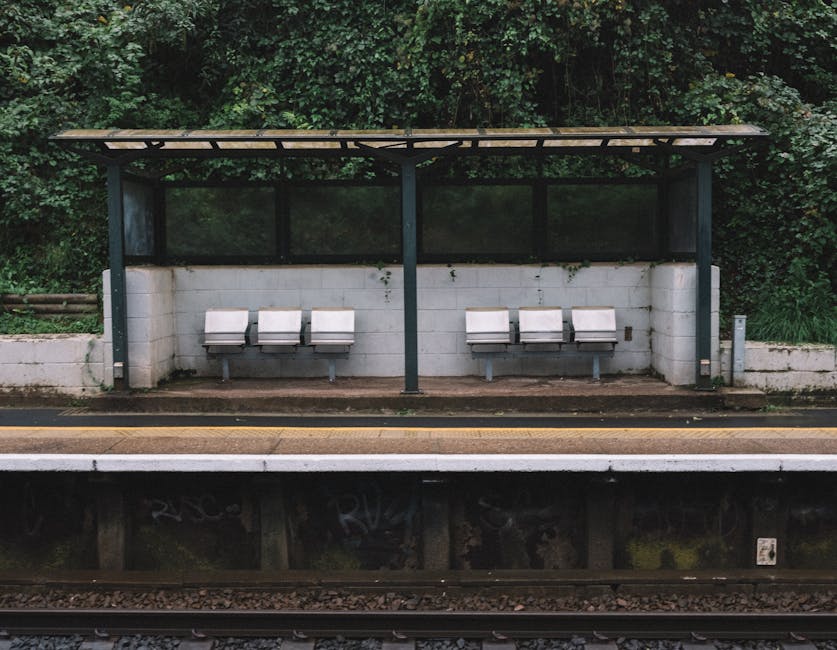
Seven Kings rubbish removal guide for Seven Kings Station
If you are trying to clear a flat, empty a garden, shift builders' rubble, or just get a stubborn pile of junk moved without turning your week upside down, this Seven Kings rubbish removal guide for Seven Kings Station is for you. Seven Kings is busy, practical, and a bit unforgiving when waste is left to build up; one missed collection or one awkward access point near the station can make a simple job feel twice as hard. The good news? With the right approach, rubbish removal here can be quick, tidy, and surprisingly straightforward.
This guide breaks down how rubbish removal works near Seven Kings Station, what to plan for, where people go wrong, and how to choose the most sensible option for your property, project, or schedule. We will keep it plain English and useful. No fluff.
Why Seven Kings rubbish removal guide for Seven Kings Station Matters
Rubbish removal sounds simple until you are standing in a hallway with a broken wardrobe, a pile of black bags, and no clear idea how to move any of it. Near Seven Kings Station, the local reality matters: tighter streets, busier pavements, parking pressure, and the general rush of London life all affect how waste gets collected. A plan saves time, money, and a fair bit of stress.
For many households and businesses, the biggest issue is not the waste itself. It is the logistics. Where will it be stacked? Can a skip sit safely? Is there space for a vehicle to stop? Do you need the rubbish cleared in one go because the house is being sold, the shop is refitting, or the builder is due in first thing Monday morning? These are everyday questions, but they matter a lot.
This is also where local knowledge helps. A well-chosen service can make the difference between a smooth clear-out and a day spent shuffling bags about while the light fades and your patience does the same. To be fair, nobody enjoys that.
For broader waste support beyond straight removal, many people also compare skip hire, man and van waste collection, and grab hire services before deciding what fits the job best.
How Seven Kings rubbish removal guide for Seven Kings Station Works
At its core, rubbish removal is a managed collection and disposal service. You identify the waste, confirm what type it is, agree how much there is, and arrange a collection method that suits access, timing, and budget. The best results usually come from being very honest about volume and material type from the start. That avoids awkward surprises later. Everyone wins.
In practice, the process often looks like this:
- Sort the waste into general rubbish, bulky items, recyclable material, and anything that may need special handling.
- Check access around your property or site. Think gates, stairs, lifts, shared entrances, parking, and how close a vehicle can reasonably get.
- Choose the service type that fits the job. For example, a small flat clearance may suit a man and van approach, while heavy renovation waste may call for builders' waste removal or a skip.
- Book a collection time that matches your schedule. Same-day help can be useful when space is tight or work is moving fast.
- Prepare the waste so it is accessible and safe to move. Bags should be tied, sharp items kept separate, and bulky items made as compact as possible where practical.
- Collection and disposal take place, with the waste routed for sorting, reuse, or recycling where possible.
That sounds simple, and sometimes it is. But access, weight, and material type change everything. A cracked bath, wet plasterboard, or a heap of garden cuttings all behave differently once somebody has to lift them. One job, many variables.
If you want to understand what a collection team can and cannot safely take, it helps to review what can go in a skip and compare it with rubbish removal options so you are not guessing on the day.
Key Benefits and Practical Advantages
The main advantage of organised rubbish removal is obvious: the waste disappears and your space becomes usable again. But there are a few deeper benefits worth calling out because they matter in real life.
- Less disruption - You do not have bags sitting around for days while you wait for a spare moment.
- Cleaner access - Hallways, driveways, shopfronts, and shared stairwells stay clearer and safer.
- Better speed - A managed collection can be faster than trying to tackle everything yourself, especially with heavy or awkward items.
- More flexible handling - Different waste streams can be separated properly instead of being tipped into one messy pile.
- Improved recycling potential - Material that is sorted well is generally easier to recover and route to recycling facilities.
- Lower physical strain - This matters more than people think, especially with loft clearances, household furniture, or renovation debris.
There is also peace of mind. That is not just marketing language, by the way. When you know the waste is being handled properly, you can focus on the actual job: moving home, reopening a unit, finishing the fit-out, or just getting your life back in order after a very long weekend.
For bulky domestic items, services like mattress and sofa disposal, fridge and appliance removal, and house clearance can be far more practical than trying to squeeze everything into a standard vehicle.
Who This Is For and When It Makes Sense
Rubbish removal near Seven Kings Station is not just for builders or landlords. A lot of ordinary situations call for it, and truth be told, they crop up more often than people expect.
This guide is especially relevant if you are:
- clearing a rental flat before a tenancy change
- sorting a loft, garage, or shed that has become a storage black hole
- managing renovation waste from a bathroom, kitchen, or general refresh
- removing garden cuttings, old fencing, or patio debris
- disposing of office furniture, archives, or fit-out waste
- dealing with bulky items that will not fit into a normal car
- working on a site where space is too tight for a skip
It also makes sense when timing matters. Maybe you are due a delivery, maybe the landlord is inspecting tomorrow, or maybe the council-style tidying-up phase after a refurb has turned out to be bigger than the refurb itself. Happens all the time.
For homes, a domestic skip hire or garage and loft clearance option can help when the waste is steady and predictable. For business premises, office clearance or commercial skip hire may be the more sensible route.
Step-by-Step Guidance
If you want the process to feel calm rather than chaotic, do it in a sequence. Not glamorous, but effective.
- Walk the space first. Look at the waste with fresh eyes. What is light, what is heavy, what is awkward, and what might need special handling?
- Group items by type. Put wood with wood, garden waste with garden waste, and bulky furniture on one side. Do not mix everything into a single mountain if you can avoid it.
- Measure access. Check doorway widths, stair turns, lift size, and where a vehicle could stop without causing a fuss. Around a station area, this can be the deciding factor.
- Choose the right service. Small mixed waste? Rubbish removal may be ideal. Heavy inert waste? Consider builders' solutions. Tight access and no time for waiting? A wait-and-load arrangement may fit better.
- Ask about waste type limits. Some materials need special handling, and hazardous waste should never be left to guesswork.
- Book with a realistic timeframe. If you need a quick turnaround, say so early. Same-day help is useful, but it still works best when people are upfront.
- Prepare the site. Clear a path, protect floors if needed, and keep pets, children, staff, or customers out of the way.
- Confirm collection and disposal details. Make sure you know what happens to the waste afterwards and how any recyclable material is handled.
A small but important point: if you are clearing an area with mixed materials, do not leave everything to the last minute. Bagging, stacking, and separating waste earlier in the day usually makes the removal faster and cheaper. It also saves that slightly panicked feeling when the van arrives and the hallway still looks like a storage cupboard exploded.
Expert Tips for Better Results
Here are the bits of advice that save people hassle in the real world.
- Be precise about volume. "A bit of waste" can mean a single sofa or a full room. Estimate honestly.
- Keep recyclables separate where practical. Clean timber, cardboard, green waste, and metal are often easier to manage when separated from mixed rubbish.
- Plan for stairs and lift access. A first-floor flat with no lift is a very different job from a ground-floor unit.
- Check if timing affects access. School runs, delivery windows, and commuter traffic can all make the area feel tighter than it is.
- Use containers or sacks for loose items. Wind and rain are not kind to open piles. You will notice that quickly on a damp morning.
- Keep dangerous items out of mixed waste. Paint tins, chemicals, batteries, gas canisters, and similar materials need special care.
- Ask about enclosed or lockable solutions. If waste security matters, especially on commercial sites, an enclosed or lockable option can be very helpful.
In our experience, the neatest jobs are rarely the biggest ones. They are the ones where the customer had a plan, even a rough one. That little bit of preparation changes everything.
For projects with heavier or faster-moving waste, you may also want to compare builders skip hire, construction waste disposal, and construction waste clearance before deciding how the site should be kept clear.
Common Mistakes to Avoid
Most waste collection problems come from a few avoidable habits. Nothing dramatic. Just small oversights that snowball.
- Underestimating how much waste there is. One room of rubbish can expand into two once you start sorting.
- Mixing prohibited or hazardous items into general waste. That can create safety issues and delay the collection.
- Ignoring access restrictions. If a vehicle cannot stop safely, the job becomes slower and more awkward.
- Leaving it until the last minute. The pressure multiplies when the clearance is tied to a move, inspection, or delivery.
- Not considering the type of waste. Garden waste, demolition debris, and office junk are not all handled the same way.
- Forgetting about neighbours or shared spaces. A quick heads-up can prevent tension in flats, terraces, or mixed-use buildings.
One more thing: if the waste includes confidential papers, do not just bin them in a rush. Use a proper route for document destruction, and if needed, look at confidential shredding. Old bank files and printed customer records should not be left to chance. Not worth the headache.
Tools, Resources and Recommendations
You do not need fancy equipment to organise rubbish removal properly. A few basic tools and a little structure go a long way.
- Heavy-duty bin bags for loose mixed rubbish
- Work gloves for sharp, dusty, or dirty items
- Labelled boxes or sacks for sorting by material type
- Tape measure for checking access and bulky item dimensions
- Marker pen and notes for listing what stays, what goes, and what needs special handling
- Floor protection if items need moving through finished interiors
For service choices, it helps to understand the differences between collection methods. A wait and load skip hire arrangement is useful where a skip cannot sit for long, while enclosed and lockable skip hire is worth considering where security or mess control matters. If you need something even quicker, same-day skip hire can be a practical fallback when the schedule has gone slightly sideways.
For larger commercial or mixed-site work, site clearance, muck away services, and grab lorry hire can sometimes be a better fit than standard bag-by-bag removal.
Law, Compliance, Standards, or Best Practice
Waste handling in the UK is not something to improvise. While the exact duties depend on the waste type and your circumstances, good practice is always the same: keep waste contained, separate hazardous materials, and use a responsible disposal route. If you are a business, this matters even more because you may need to show that waste was handled properly.
A few sensible principles apply across the board:
- Do not mix hazardous materials with ordinary waste. Certain items need specialist disposal.
- Use suitable containers and collection methods. This reduces spill risk and makes transport safer.
- Keep documentation where appropriate. Businesses often need a clear paper trail for compliance and internal records.
- Follow safe lifting and loading practices. Heavy items should not be handled carelessly, especially on stairs or narrow landings.
- Check permit needs where relevant. Some collections or skip placements may require permissions depending on location and placement.
If you are unsure whether something belongs in normal rubbish, the safest approach is to ask before collection. Hazardous waste is the obvious example, but also things like fridges, appliances, and certain bulky items may need specific handling. For planning around permits, see skip hire permits and the simpler summary at skip permits.
Good operators will also care about recycling, secure payment, insurance, and service standards. Those are not small details. They are the difference between a tidy job and a messy one with awkward aftercare. For a wider view of responsible operations, you may want to read about recycling and sustainability, payment and security, and insurance and safety.
Options, Methods, or Comparison Table
Choosing the right waste solution near Seven Kings Station usually comes down to access, speed, waste type, and how much hands-on help you want.
| Method | Best for | Main advantage | Watch out for |
|---|---|---|---|
| Rubbish removal | General mixed waste, bulky household clearances, small-to-medium jobs | Convenient and often quick | Access and volume need to be described accurately |
| Skip hire | Ongoing projects, renovations, predictable waste streams | Handy if you are generating waste over several days | May need a permit depending on placement |
| Man and van | Small clearances, flexible removals, awkward access | Very adaptable | Not always ideal for heavy rubble or very large volumes |
| Grab hire | Bulk waste, soil, hardcore, site waste | Fast loading of larger piles | Needs enough access for the vehicle |
| Wait and load | No room for a skip, fast-turnaround jobs | Waste leaves quickly with minimal site occupation | You need to have the waste ready |
There is no single best option. That is the honest answer. A small flat clearance with stairs, a shop refit, and a builder's rubble pile all point to different solutions. If you choose based on the actual job rather than habit, the whole thing gets easier.
Case Study or Real-World Example
Imagine a first-floor flat a short walk from Seven Kings Station. The occupier is moving out on Friday, the landlord needs the space cleared by Saturday, and there is a mix of old shelving, a sofa, broken kitchen bits, and several bags of clutter from the cupboard-that-became-a-storage-room. Classic scenario, really.
The first mistake would be to treat it like a single pile of generic rubbish. The better approach is to separate bulky furniture, bagged items, and anything that may need special handling. The second key step is access: stair turns, parking, and how long the vehicle can stay nearby. In a place like Seven Kings, that can be the make-or-break detail.
With the waste sorted and access confirmed, collection becomes much smoother. The flat clears out, the hallway stays protected, and the move can continue without a strange last-minute scramble. Simple on paper, but those details save the day. They always do.
Now take the same logic and apply it to a garden clearance after a wet weekend. Wet branches, heavy soil, old timber, and a rusting garden seat all behave differently. If you plan for that mix in advance, the job goes quickly. If not, you end up with soggy bags and a lot of back-and-forth. Nobody needs that on a Tuesday afternoon.
Practical Checklist
Use this before you book any rubbish removal near Seven Kings Station:
- Identify what needs removing and what must stay
- Estimate the amount of waste honestly
- Separate bulky, recyclable, and hazardous items
- Check stairways, gates, lifts, and parking access
- Decide whether speed, security, or volume matters most
- Review whether a permit may be needed for a skip placement
- Make sure confidential or sensitive waste is handled properly
- Clear a safe route from the waste to the collection point
- Protect surfaces if items are being moved indoors
- Confirm the collection time and keep your phone close just in case
If you are still torn between services, a quick look at skip sizes and prices can help you judge whether a skip suits the job better than removal, and pricing and quotes may help you compare the likely route without overthinking it.
Get a free quote today and see how much you can save.
Conclusion
Rubbish removal near Seven Kings Station works best when it is treated as a practical project, not a last-minute panic. Know your waste type, understand the access, choose the right method, and keep the job simple where possible. That combination saves money and reduces the little frustrations that can turn a tidy-up into a whole-day headache.
Whether you are clearing a flat, managing a business premises, or dealing with renovation debris, the aim is the same: get the space back, safely and cleanly, with as little disruption as possible. And once it is done, the difference is immediate. More room. Less noise. A bit of breathing space.
If you want a reliable next step, choose the option that matches your access, timeline, and waste type rather than just the cheapest headline. That usually leads to the smoothest result, and honestly, that is what people remember after the dust settles.
A tidy space changes the mood of a place quicker than you might think.
Frequently Asked Questions
What is the best rubbish removal option for Seven Kings Station?
The best option depends on access, waste type, and volume. For mixed household waste or bulky items, rubbish removal or man and van collection often suits best. For ongoing renovation waste, a skip or grab hire may be more practical.
Can I get same-day rubbish removal near Seven Kings Station?
Often, yes, if availability allows and the waste is ready to collect. Same-day help is especially useful when you have a deadline, but you should be clear about access and what needs removing.
Do I need a permit for rubbish removal?
Usually not for a straightforward rubbish collection, but permits may be relevant if a skip needs to sit on a public road. It is sensible to check the arrangement before booking, especially in tighter streets.
What waste can go in a skip or general removal load?
Common items include household junk, wood, old furniture, garden waste, and renovation debris. Hazardous items, electricals, and certain specialist waste need separate handling.
Is rubbish removal better than skip hire?
It depends. Rubbish removal is often better for quick clearances, awkward access, or smaller mixed loads. Skip hire is usually better when waste will build up over several days or weeks.
How do I estimate how much waste I have?
Start by grouping the waste into bags, boxes, and bulky items, then compare the pile to a room, a corner of a garage, or a small vehicle load. If you are unsure, describe the job honestly rather than guessing low.
Can bulky items like sofas and mattresses be removed?
Yes, bulky item removal is common. Sofas, mattresses, fridges, and similar pieces are often handled through dedicated services, which can be far easier than moving them yourself.
What should I do with hazardous waste?
Hazardous waste should not be mixed with normal rubbish. Keep it separate and ask for a proper disposal route. This is one area where caution really matters.
How can I make rubbish removal cheaper?
Sort waste in advance, keep access clear, and give an accurate description of the load. The more prepared the site is, the less time and labour the collection usually needs.
What if my waste includes confidential papers or business records?
Those should not just go into general waste. Use a proper document destruction route such as confidential shredding so sensitive material is handled responsibly.
Are there options for office or commercial clearances?
Yes. Office clearance and commercial skip solutions are useful for businesses, refurbishments, and ongoing site waste. The right choice depends on how quickly the waste is generated and how much space you have.
How do I know if I need skip permits?
If a skip must sit on public land or the road, a permit may be needed. The safest approach is to check the placement in advance rather than assuming it will be fine.
What should I check before booking?
Check the waste type, approximate volume, access for vehicles, whether anything is hazardous, and your preferred collection time. A few minutes of planning can save a lot of back-and-forth later.
Where can I learn more about the company and policies?
You can review the company's about us page and supporting information such as health and safety policy, complaints procedure, and contact details for direct help.